
You scroll through Instagram, see a beautifully packaged skincare product or a premium protein snack, click “Buy Now,” and it arrives at your door in days. That seamless experience is powered by Direct-to-Consumer (D2C) brands — companies that sell straight to you without traditional retail middlemen.
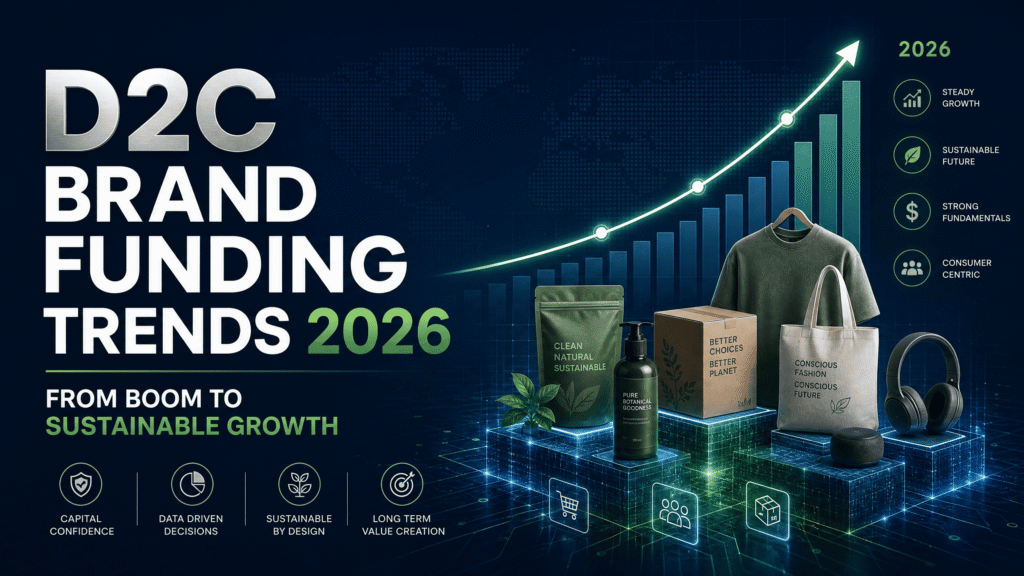
But behind the glossy packaging and clever ads, 2026 marks a more mature chapter. After the wild pandemic boom and the painful correction that followed, funding for D2C brands has become more selective, disciplined, and focused on real profitability. For the average consumer or aspiring entrepreneur, these shifts mean better products, more sustainable brands, and fewer flashy failures.
The Post-Boom Reality: Funding Is Back, But Smarter
The era of “growth at any cost” is over. In 2026, investors are pouring money into D2C brands — but only those proving strong unit economics, high customer retention, and healthy margins.
In India, D2C remains vibrant. The sector has collectively raised over $14.9 billion historically, with continued activity in beauty, wellness, fashion, and food.
Global D2C e-commerce continues expanding, but venture capital has grown cautious after heavy losses at brands like Allbirds and Casper.
Early 2026 saw multiple deals: RAS Luxury Skincare raised $7.5M in Series B, while several smaller beauty and wellness brands secured seed and Series A funding.
Key Shift: Investors now demand proof of retention-led growth. Increasing customer lifetime value (LTV) by just 5% can boost profits dramatically, making it far more attractive than expensive new customer acquisition.
Major Trends Shaping D2C Funding in 2026
1. Profitability Over Hyper-Growth Investors burned by earlier losses now prioritize brands with positive contribution margins and clear paths to profitability. CAC (customer acquisition cost) has risen sharply, pushing brands toward organic growth, community building, and subscriptions.
2. Beauty, Wellness & Sustainability Lead These categories dominate funding:
- Premium skincare and clean beauty brands attract big checks.
- Sustainable fashion and eco-friendly products appeal to conscious consumers.
- High-protein or functional foods see strong interest from health-focused buyers.
3. Rise of Alternative Financing Traditional VC remains selective. Many D2C brands turn to revenue-based financing, growth equity, and private credit to scale without heavy dilution.
4. AI and Community as Differentiators Brands using AI for personalization and those building strong communities are winning funding. Community-led commerce is emerging as a powerful growth engine.
5. India-Specific Momentum India’s D2C ecosystem shows resilience. The FAST42 D2C Edition 2026 highlighted brands generating ₹2,100 crore in revenue with 116% average growth, creating thousands of jobs.
Why the Caution?
- High customer acquisition costs and platform dependency hurt many early D2C players.
- Supply chain complexities and inventory risks became clearer post-pandemic.
- Valuations have normalized — investors want real revenue and repeat customers, not just hype.
What Investors Are Looking For Now
- Strong repeat purchase rates (30%+ subscription penetration is a big plus)
- Healthy LTV:CAC ratios
- Efficient operations and supply chain control
- Clear differentiation through story, quality, or sustainability
Actionable Takeaway
If you’re thinking of starting or investing in a D2C brand in 2026, focus first on solving a real customer pain point with strong margins. Build a loyal community and prioritize retention from day one. Test products small, track every rupee of unit economics, and explore both VC and revenue-based funding options. For consumers, support brands that show transparency and real value — your purchases directly influence which ones thrive.
Thought-provoking question: As D2C funding in 2026 rewards discipline over dazzle, will this lead to stronger, longer-lasting consumer brands that truly serve everyday Indians — or will the high bar for capital leave many innovative small founders struggling to compete against well-funded giants? The next few years will show whether sustainable growth becomes the new standard for success.